Introduction
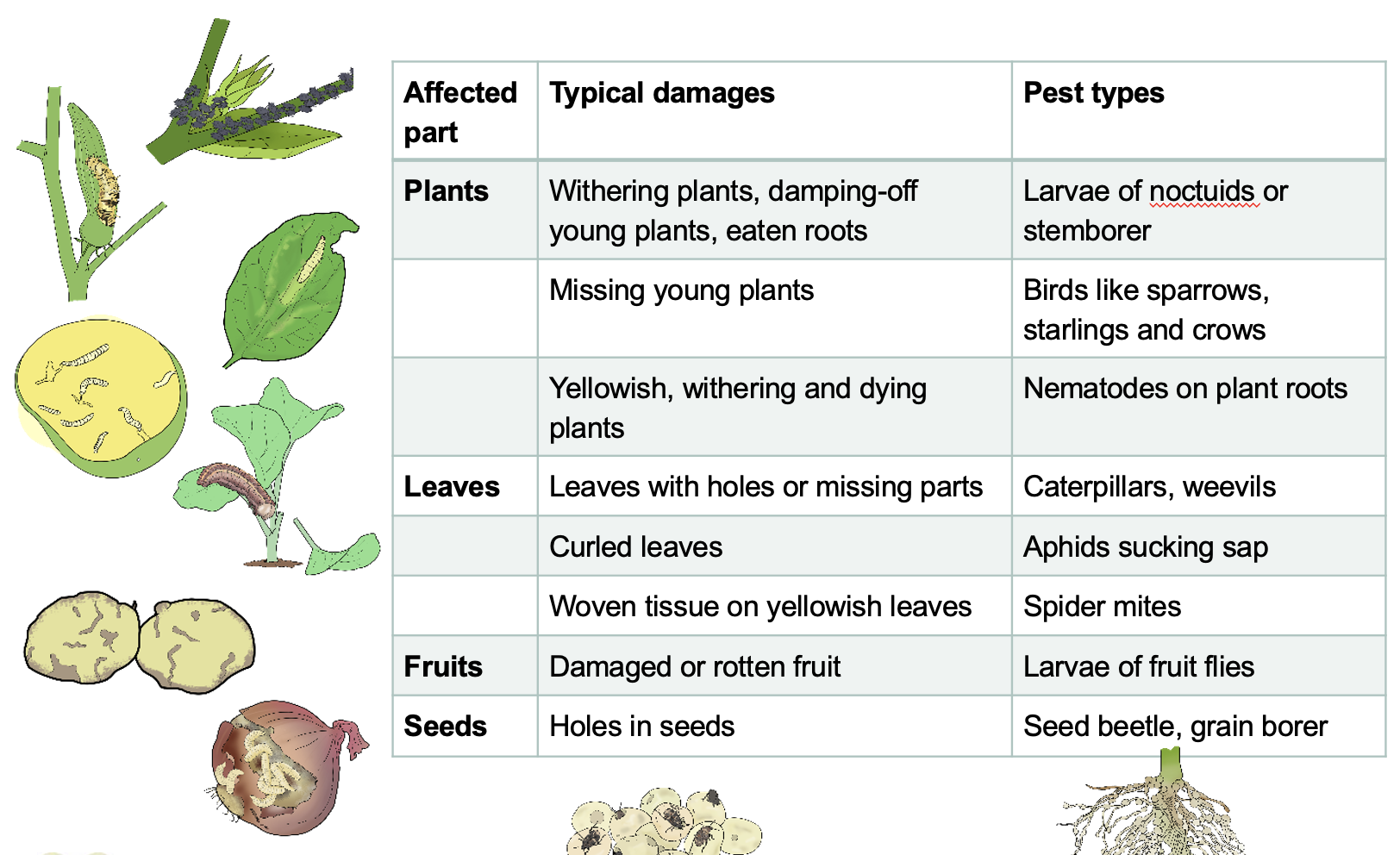
Organisms that attack and destroy crops completely or partially, thus reducing the yields, are considered by farmers as pests or diseases. Pest damage can manifest in many different forms:
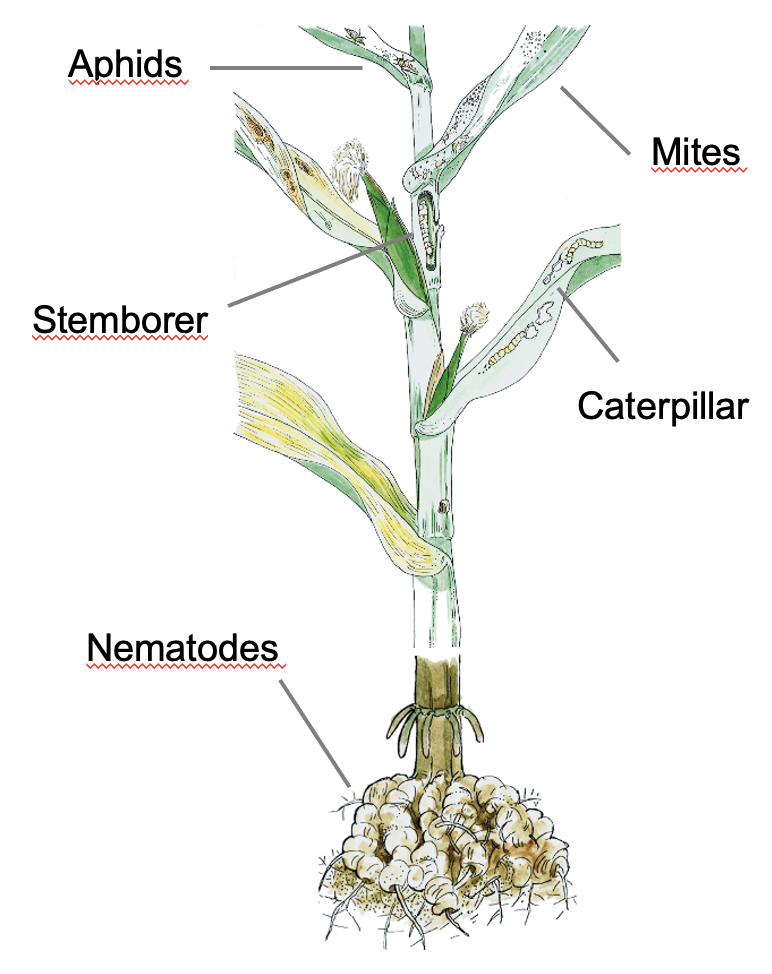
Insects - leaves with holes or missing parts caused by caterpillars or weevils; curled leaves because of aphids or mites sucking sap from the leaves; damaged or rotten fruit after being eaten by larvae of fruit flies; withering plants caused by larvae of noctuids, or stem borer; branches or trunks with holes caused by wood-eating insects; and others.
Mites are very small pests and cannot be seen clearly with the naked eye. Infested plants, leaves and fruit turn yellowish among other symptoms.
Nematodes are also very small, live in the soil, and are not easily observed by the naked eye. They mostly attack plant roots resulting in yellowish plants that wither and die.
Larger animals like elephants, monkeys or mice, voles, and birds like sparrows, starlings and crows can also damage crops, but these are not the focus of this Training Manual.
On the other hand, disease damage is any ill health or abnormality on the plant caused by fungi, bacteria, and viruses, when they interrupt or modify the vital functions of growing plants or stored produce. Most crop diseases are caused by fungi, bacteria or viruses:
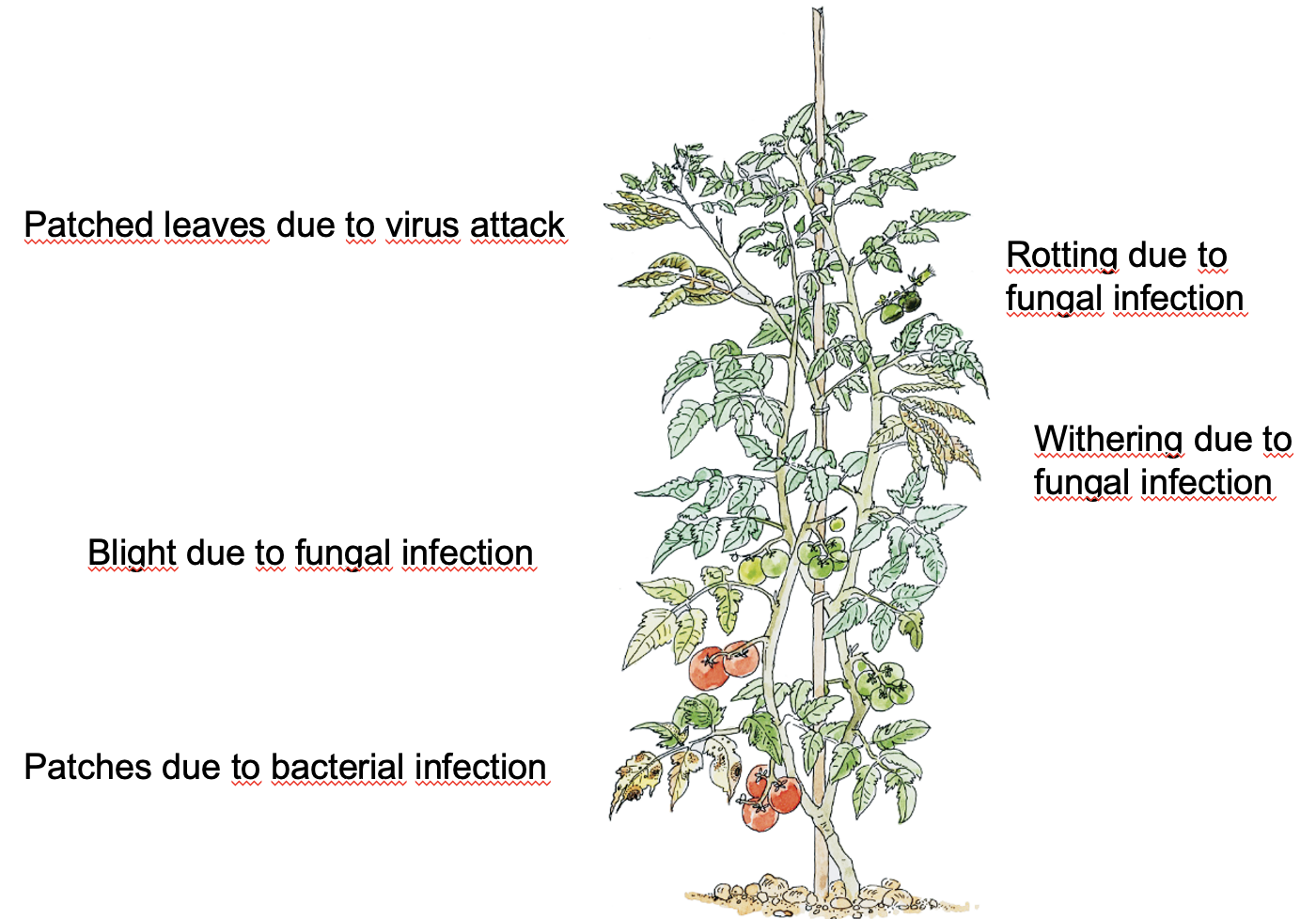
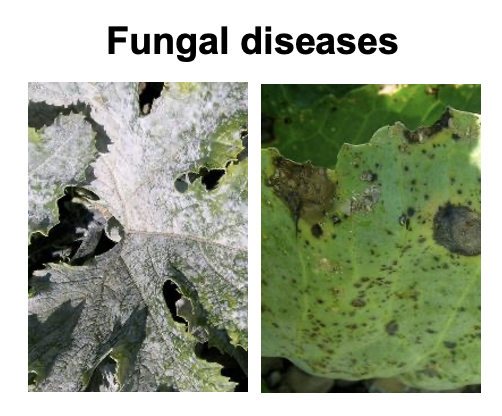
Fungi cause the great majority of infectious plant diseases. They are responsible for most cases of spotting, cankering, blighting, wilting, scabbing and rotting on different plant parts. Fungi can cause parts of plants or the entire plant to wither and die.
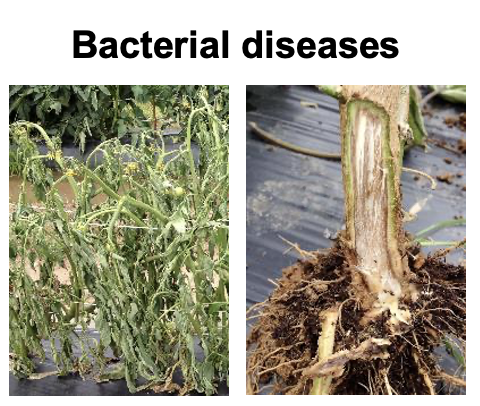
Bacteria causes the breakdown of the cell walls of plants, so that the plant starts to rot. Damaged plant tissue or the blocking of water uptake causes early death of the plant, and overgrowth of plant tissue causes tumours.
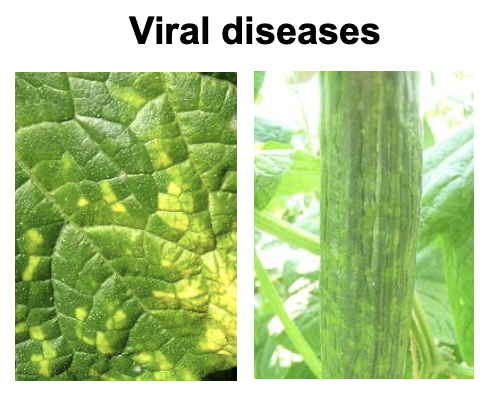
Viruses mostly cause leaves and other green plant parts to change in colour. Light green or yellow patches of various shades, shapes and sizes appear in affected leaves resulting in a general reduction in the growth and vigour of the plant.
When do pests and diseases become a problem?
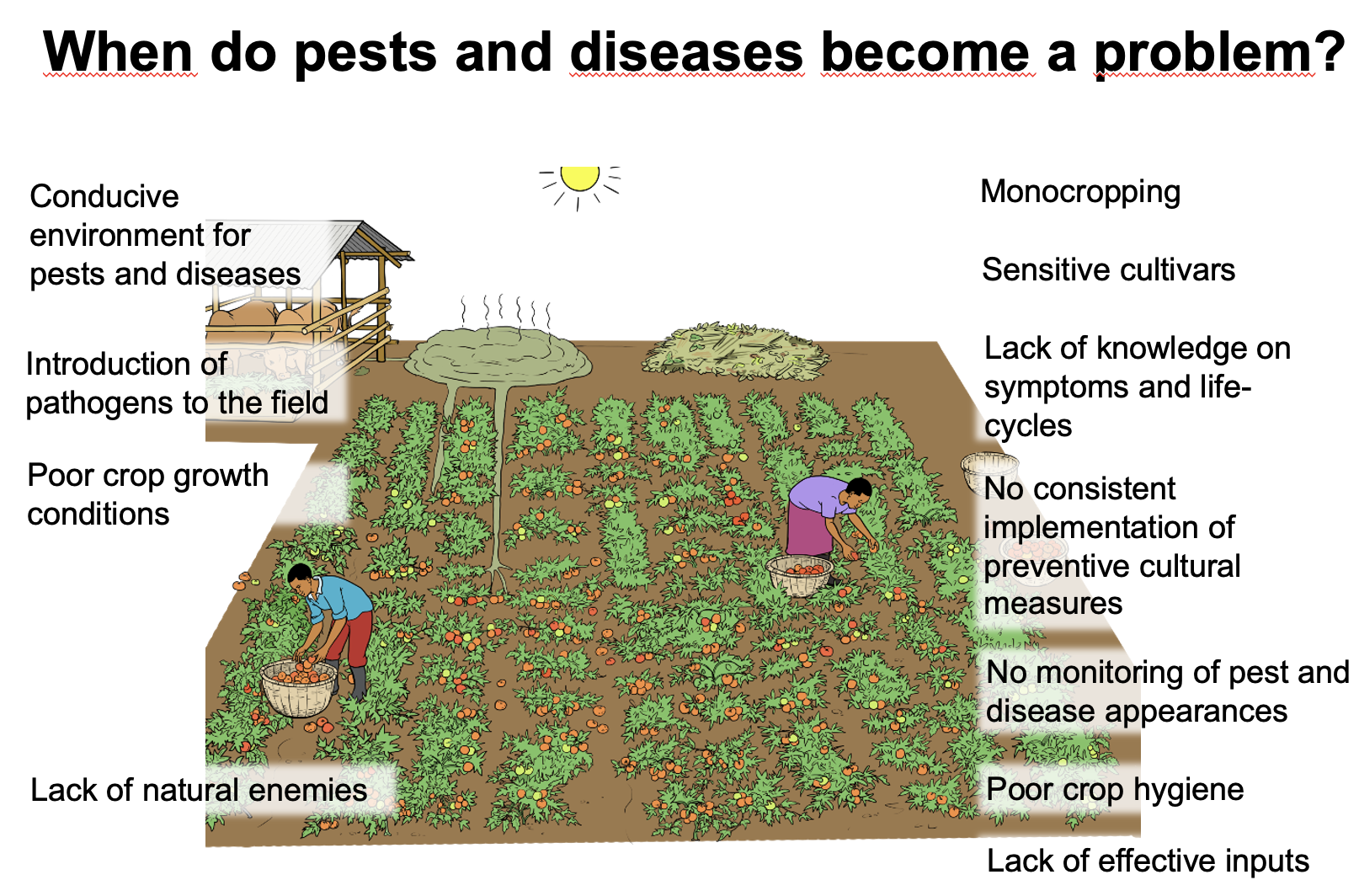
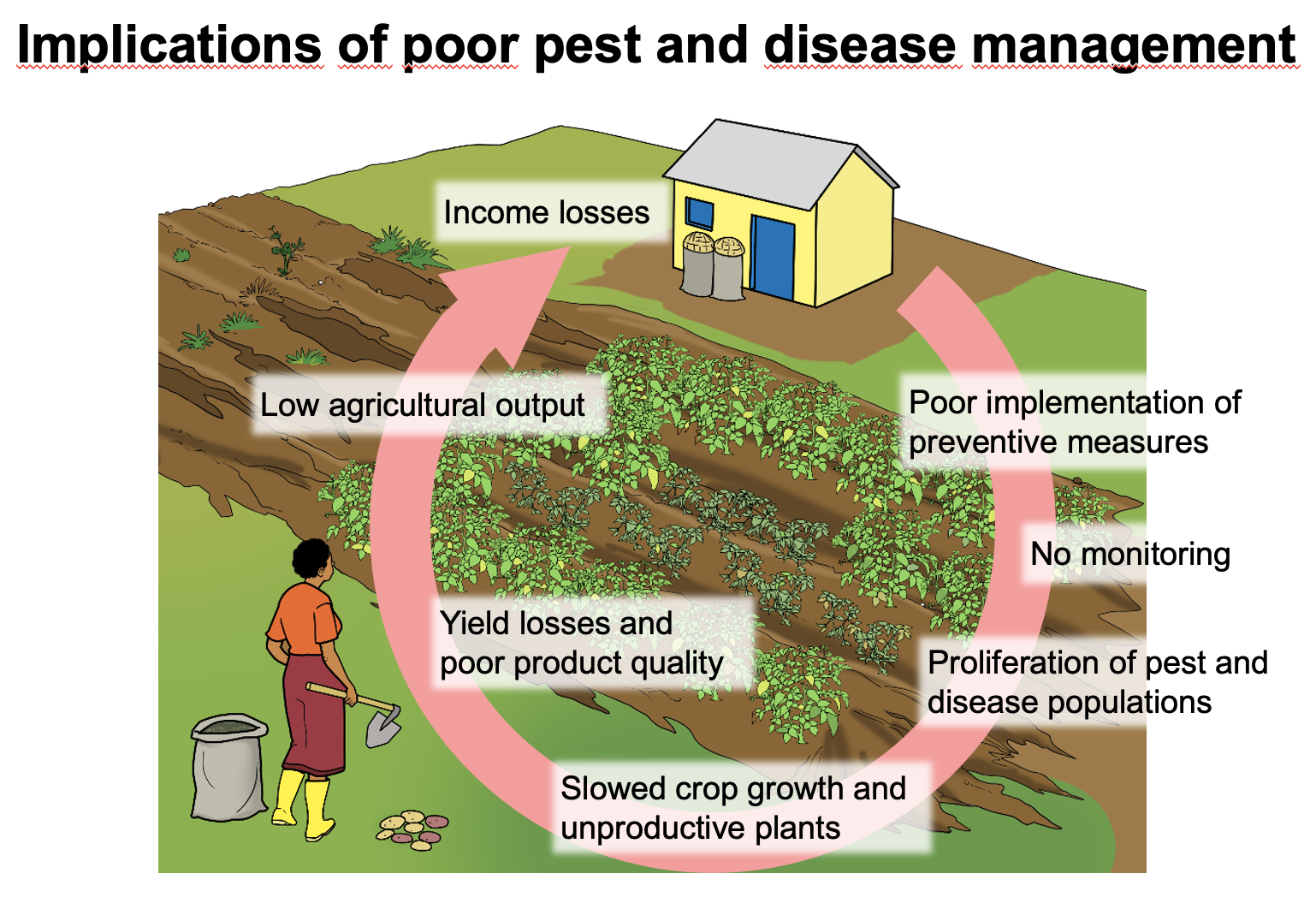
From an ecological perspective, all organisms are part of nature, irrespective of what they do. Therefore, presence of these organisms in crop fields is natural, and nature normally balances these organisms through pest-predator relationships. However, when nature is distorted through different farming operations, for example growing one type of crop season after season without rotation (monoculture) or factors that cause habitats to be unfavourable, some types of organisms will increase in numbers beyond a certain level and cause substantial damage to the plants and a reduction in crop yields or quality of harvested produce. Pests and diseases regularly become a problem among African smallholder farmers due to the following reasons:
Conducive environment for pests and diseases: In many parts of sub-Saharan Africa, a wide variety of pests and diseases occur because of the favourable, humid conditions nearly throughout the year. In addition, new pests, and disease-causing organisms evolve or are introduced, mostly accidentally, in the region. It, therefore, proves very challenging for the smallholder farmers to recognise, distinguish and control the different pests and diseases.
Limited availability of cultivars that have resistance to specific diseases or pests.
Inadequate diversification within crop fields: Inadequate diversification within crop fields leads to lack of suitable natural habitats and food for beneficial organisms, a situation which is compounded by repeated application of broad-spectrum pesticides in monocropping systems.
Lack of knowledge of the characteristics of specific pests and diseases, and inability to conduct systematic monitoring for pest and disease symptoms.
Lack of knowledge of the life cycles of pests and diseases and effective control measures: As a result of this, farmers cannot apply timely suitable preventive measures, nor implement appropriate direct control measures in case of strong infestations or infections.
Insufficient implementation of effective crop and field hygiene measures.
Limited availability of good quality organic pest and disease control inputs: There is a wide variety of conventional pesticides available on the market, including ineffective ones but very few organic approved ones. Since the majority of farmers cannot read and interpret the contents, prescriptions and other precautions, they cannot make proper choices and follow the correct procedures on the best pesticides. They instead rely on recommendations from the pesticide retailers, who often lack the proper knowledge themselves and are often more motivated to make sales than advise farmers.
Lack of knowledge on the effectiveness of pesticides, their harmful effects against beneficial organisms, and good application practices for optimal results.
This is a clear indication that effective management of pests and diseases among many farmers all over Africa would thus require a focus on affordable and effective measures which are:
Readily available.
Easy to apply at minimal extra cost.
Applicable in the local situation and conditions.
Safe to handle, with minimal or no residual effect (i. e. acceptable in organic production).
Symptoms
•Spotting, cankering, blighting
•Wilting, scabbing and rotting on different plant parts
•Withering and dying of plants
Spreading through
•Rain, wind, tools, humans and animals
•Infected planting material such as seeds, seedlings and cuttings
Symptoms
•Individual wilting and rotting plants
•Discoloration of lower stem and internal discoloration of stem
•Formation of plant tumours
Spreading through
•Rain, wind, tools, humans and animals
•Infected plants and / or plant parts
Symptoms
•Light green/yellow patches on leaves
•Stunted growth
Spreading through
•Infected planting material such as seeds, seedlings and cuttings
•Insect vectors